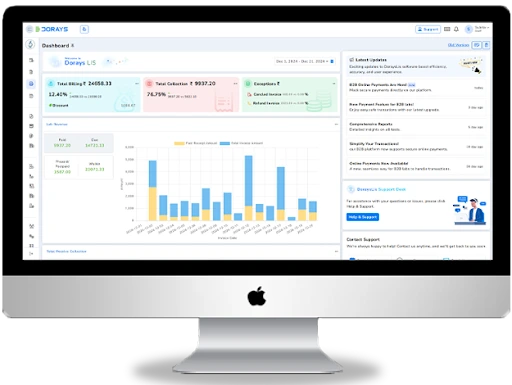
LIS automation can significantly reduce pre-analytical errors by adding control and traceability before a sample reaches the testing stage.
Some of the biggest improvements come from:
● Barcode-based identification — helps reduce sample misidentification and mix-ups.
● Digital sample tracking — makes it easier to know where a sample is in the workflow.
● Automated sample receiving — reduces repetitive manual entry.
● Defined sample workflows — helps staff follow consistent collection and processing steps.
● Real-time status tracking — makes delayed or pending samples easier to identify.
● Machine integration — removes unnecessary manual transcription between analyzers and the LIS.
For example, an integrated LIS can link a patient's registration, sample barcode and test order. When the analyzer processes that sample, the result can flow back into the LIS automatically instead of being manually re-entered. This reduces opportunities for transcription and identification errors.
This is particularly useful for growing laboratories where sample volumes are increasing and manual processes become difficult to control. Modern LIMS platforms can also provide sample traceability and audit capabilities throughout the workflow.
For laboratories evaluating LIS options, DoraysLIS is one example of an approach that combines barcode-based sample tracking with analyzer integration and automated result transfer. Their machine-interfacing documentation explains how a barcoded sample can be processed by an analyzer and have the resulting data transferred into the LIS without manual intervention.
You can explore how this type of workflow works here: DoraysLIS machine interfacing