Introduction
NABL Accreditation shows that a pathology lab follows proper quality, testing, safety, and documentation standards.
Good machines and trained staff are important, but proper NABL Documents, SOPs, and records are equally important.
This checklist covers the main NABL Requirements and Guidelines in simple language.
What is NABL Accreditation?
NABL stands for National Accreditation Board for Testing and Calibration Laboratories.
Simply, NABL Accreditation shows that a laboratory can perform tests properly and maintain reliable results.
For medical labs, ISO 15189:2022 is an important standard. NABL accreditation helps labs:
● Improve test quality
● Reduce mistakes
● Improve patient safety
● Maintain proper records
● Follow standard procedures
● Prepare for NABL Assessment
Why is NABL Documentation Important?
Documentation shows what the lab does, how it does it, and how the work is recorded.
A NABL Assessor may check:
● QMS
● Staff competency
● Equipment records
● Laboratory records
● Quality Control (QC)
● Internal Audit
● Management Review
● Risk Management
● Corrective Actions
● Non-Conformities
Simple rule: If a process is followed, its record should also be maintained.
NABL Documentation Checklist
1. Quality Management System (QMS)
The QMS helps the lab maintain consistent quality. Important documents include:
● Quality Manual
● Quality Policy
● Quality Objectives
● Organization Structure
● Roles and Responsibilities
● Document Control
● Record Control
● Quality Records
● Laboratory Records
● Risk Management
● Complaint Management
2. Standard Operating Procedures (SOPs)
SOPs are written instructions that explain how each lab task should be done.
Important SOPs include:
● Sample Collection
● Sample Processing
● Sample Handling
● Sample Identification
● Sample Rejection
● Laboratory Testing
● Test Reporting
● Equipment Operation
● Safety Procedures SOPs may be needed for:
● Clinical Pathology
● Hematology
● Biochemistry
● Microbiology
● Histopathology
● Cytology
3. Personel Records and Training
NABL requirements give importance to staff competency. Maintain:
● Personel Records
● Qualification certificates
● Experience records
● Registration records
● Job descriptions
● Staff Training Records
● Training plans
● Competency Assessment
● Staff authorization records
These records show that staff are properly trained and competent for their assigned work.
4. Equipment Records and Calibration
Every important laboratory machine should have proper records. Maintain:
● Equipment Records
● Equipment master list
● Installation records
● Equipment Calibration
● Calibration Records
● Maintenance Records
● Service reports
● Breakdown records
● Repair records
5. Reagent Records
Proper reagent records help maintain testing quality. Maintain:
● Reagent Records
● Reagent Inventory
● Lot/batch details
● Reagent Storage
● Expiry records
● Temperature Monitoring Records
Applicable reagent verification records should also be maintained.
6. Quality Control (QC)
Quality Control (QC) helps ensure that test results are reliable. Important records include:
● Internal Quality Control (IQC)
● External Quality Control (EQC), where applicable
● QC results
● QC review
● Quality trends
● Corrective actions
7. External Quality Assessment (EQA) and Proficiency Testing (PT)
External Quality Assessment (EQA) and Proficiency Testing (PT) help check laboratory performance against external programs.
Maintain:
● EQA/PT enrollment
● Test results
● Performance reports
● Corrective Action records
8. Test Validation and Verification
Applicable Test Methods should have proper Test Validation or Test Verification records.
Depending on the test, records may include:
● Accuracy
● Precision
● Linearity
● Measuring range
● Detection limits
● Reference Intervals
● Method performance
These support applicable ISO 15189 Requirements and Professional Requirements.
9. Sample and Patient Records
Proper Sample Collection, Sample Processing, and Sample Handling help maintain sample traceability.
Maintain:
● Sample Collection Records
● Sample Identification
● Sample receiving records
● Sample Rejection Criteria
● Rejected sample records
● Sample storage records
● Patient Records
10. Test Reports and Reporting
A proper reporting process is important for accurate and safe reporting. Maintain:
● Test Reports
● Test Report Verification
● Report Authorization
● Critical Results
● Turn Around Time (TAT)
● Report release records
11. Laboratory Information System (LIS)
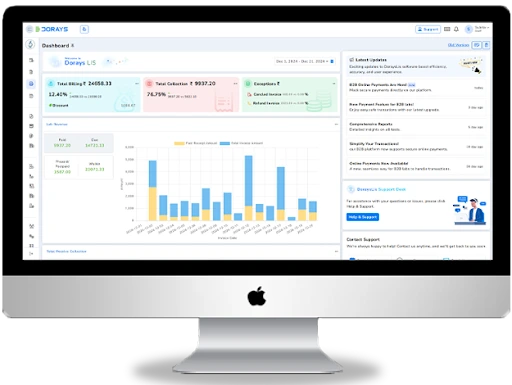
A Laboratory Information System (LIS) can help manage laboratory information and records digitally.
An LIS can help with:
● Patient Records
● Sample tracking
● Test Reports
● Test Report Verification
● Report Authorization
● TAT monitoring
● Laboratory Records
12. Laboratory Safety
Laboratory Safety is an important part of quality and patient safety. Maintain:
● Biosafety Records
● Infection Control
● Risk assessment
● Fire safety
● Emergency procedures
● Incident records
● Biomedical Waste Management
13. Internal Audit
Internal Audit helps identify gaps before the NABL Audit. Maintain:
● Audit plan
● Audit schedule
● Audit checklist
● Audit findings
● Non-Conformity
● Corrective actions
● Closure records
14. Non-Conformity and CAPA
A Non-Conformity means a requirement has not been properly met.
Non-Conformity Management should include:
● Identify the problem
● Find the root cause
● Check the impact
● Take Corrective Action
● Plan Preventive Action
● Check effectiveness
A Corrective Action Report should record the problem and action taken.
15. Complaint Management
Complaint Management helps the laboratory properly handle patient or doctor complaints.
Maintain:
● Complaint details
● Investigation
● Action taken
● Corrective Action
● Resolution
● Follow-up
16. Management Review
Management Review helps management regularly check laboratory quality and performance.
Maintain:
● Meeting agenda
● Attendance
● Quality performance
● Audit findings
● Complaints
● Non-conformities
● Improvement plans
● Action plans
● Follow-up records
Common NABL Audit Problems
During a NABL Audit, labs may face problems such as:
● Outdated SOPs
● Missing approvals
● Incomplete Quality Records
● Missing Equipment Records
● Expired Calibration Records
● Incomplete Staff Training Records
● Poor Document Control
● Missing Internal Audit records
● Incomplete CAPA
● Pending Issue
Regularly checking your NABL checklist can help prevent these problems.
NABL Assessment Process
The NABL Assessment Process can be understood in simple steps.
NABL Pre-Assessment
NABL Pre-Assessment helps identify gaps and prepare the laboratory for assessment.
NABL Final Assessment
During the NABL Final Assessment, the NABL Assessor reviews applicable laboratory requirements.
This may include:
● Accreditation Scope
● Scope of Accreditation
● Specialized Requirements
● Quality Requirements
● Compliance Requirements
● Documents
● Records
● Laboratory practices
After meeting applicable requirements, the laboratory may receive an
Accreditation Certificate.
Later, laboratories may need NABL Surveillance Assessment and
Accreditation Renewal as applicable.
How to Prepare Pathology Lab for NABL Accreditation?
Follow these simple steps:
1. Understand NABL Guidelines
2. Identify applicable NABL Requirements
3. Decide the Scope of Accreditation
4. Set up the QMS
5. Prepare the Quality Manual
6. Maintain required SOPs
7. Complete staff training and Competency Assessment
8. Maintain equipment, calibration, and maintenance records
9. Maintain QC and EQA/PT records
10. Conduct Internal Audit
11. Manage Non-Conformity Management
12. Complete CAPA
13. Conduct Management Review
14. Prepare documents for NABL Assessment
How Laboratory Software Helps with NABL Documentation
Managing documents manually can become difficult as the laboratory grows. Laboratory management software can help with:
● NABL Documentation
● Document Control
● SOP management
● Equipment Calibration
● Maintenance Records
● QC records
● Staff Training Records
● Internal Audit records
● CAPA tracking
● Laboratory Records
Software options such as CrelioHealth, LabSmart, Drlogy, PathoGold, Qmarksoft, MediXcel, and FLabs can be considered in the NABL documentation / lab management software context.
The right software should be selected based on the laboratory's actual workflow, documentation needs, and applicable NABL Requirements.
Final NABL Documents Checklist
Before NABL assessment, check your applicable:
● Quality Manual
● Quality Management System (QMS)
● Quality Policy
● Quality Objectives
● Standard Operating Procedures (SOPs)
● Document Control Procedure
● Record Control
● Quality Documents
● Lab Information
● Employee Information
● Training Details
● Competency Assessment
● Equipment Information
● Skill Evaluation
● Maintenance Records
● Reagent Records
● Reagent Inventory
● Temperature Monitoring Records
● Sample Collection Records
● Sample Handling Records
● Sample Identification Records
● Test Reports
● Test Validation
● Test Verification
● Reference Intervals
● Critical Results Records
● Quality Control (QC)
● Internal Quality Control (IQC)
● External Quality Assessment (EQA)
● Proficiency Testing (PT)
● Biosafety Records
● Laboratory Safety Records
● Infection Control Records
● Biomedical Waste Management Records
● Internal Audit Records
● Management Review Records
● Corrective Action Records
● Preventive Action Records
● Non-Conformity Records
● Complaint Management Records
● Risk Management Records
Conclusion
NABL Accreditation Process
The NABL Accreditation Process becomes easier when a laboratory has proper documents, updated SOPs, complete records, and a well-managed QMS.
Simple Formula:
Proper Process + Proper Documents + Proper Records = Better NABL Compliance
A clear NABL Documentation Checklist, complete NABL Documents, and regular record checking help a pathology lab prepare better for NABL Accreditation and follow the applicable ISO 15189:2022 requirements.